
The AMC annuity: how one install becomes 5–10 years of revenue
Fire & safety firms, MEP contractors and FM providers all share one economic secret: the install is the beginning, not the end. Here's the flow that turns a project into an annuity — and where it usually breaks.
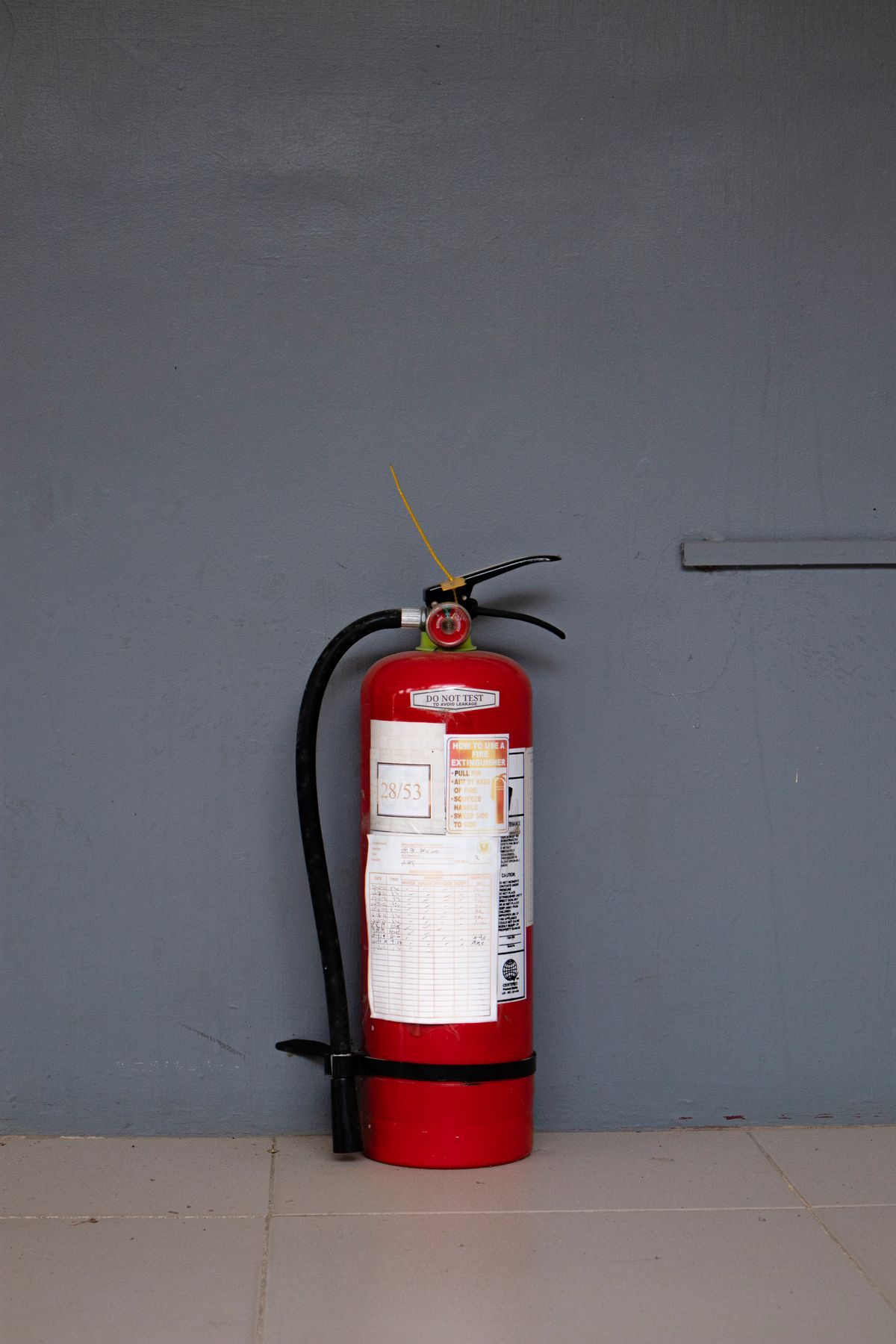
A fire-protection install is a one-time job. The statutory maintenance contract behind it can run a decade.
The money is made twice
In every service trade we mapped — fire & safety, MEP, HVAC, facilities management, solar O&M — the money is made twice. Once on the project, and then again, for years, on the recurring contract that follows: the AMC, the PPM schedule, the maintenance retainer.
A fire-protection install is a one-time job. The statutory annual maintenance contract behind it can run five to ten years. That's the annuity.
Where the annuity dies
The annuity usually dies at handover. The project team finishes, the file closes, and nobody converts the defects-liability period into a service contract. Renewals lapse silently because the reminder lives in someone's head. PPM visits get missed, which in statutory trades isn't just lost revenue — it's live liability.
In our flow research this was the single most consistent failure point across trades: the handoff between 'project' and 'service' is where the recurring revenue falls on the floor.
The flow that keeps it alive
The firms that keep the annuity share a pattern: the service contract is generated at handover, not remembered afterwards. The PPM schedule is created from the asset register automatically. Reactive callouts run on an SLA clock. And the renewal has a date, an owner, and a system chasing it.
None of this is heroic — it's just connected. The install job, the assets it created, the maintenance schedule, the callout tickets and the renewal all live on one record.
Why AI changes the economics
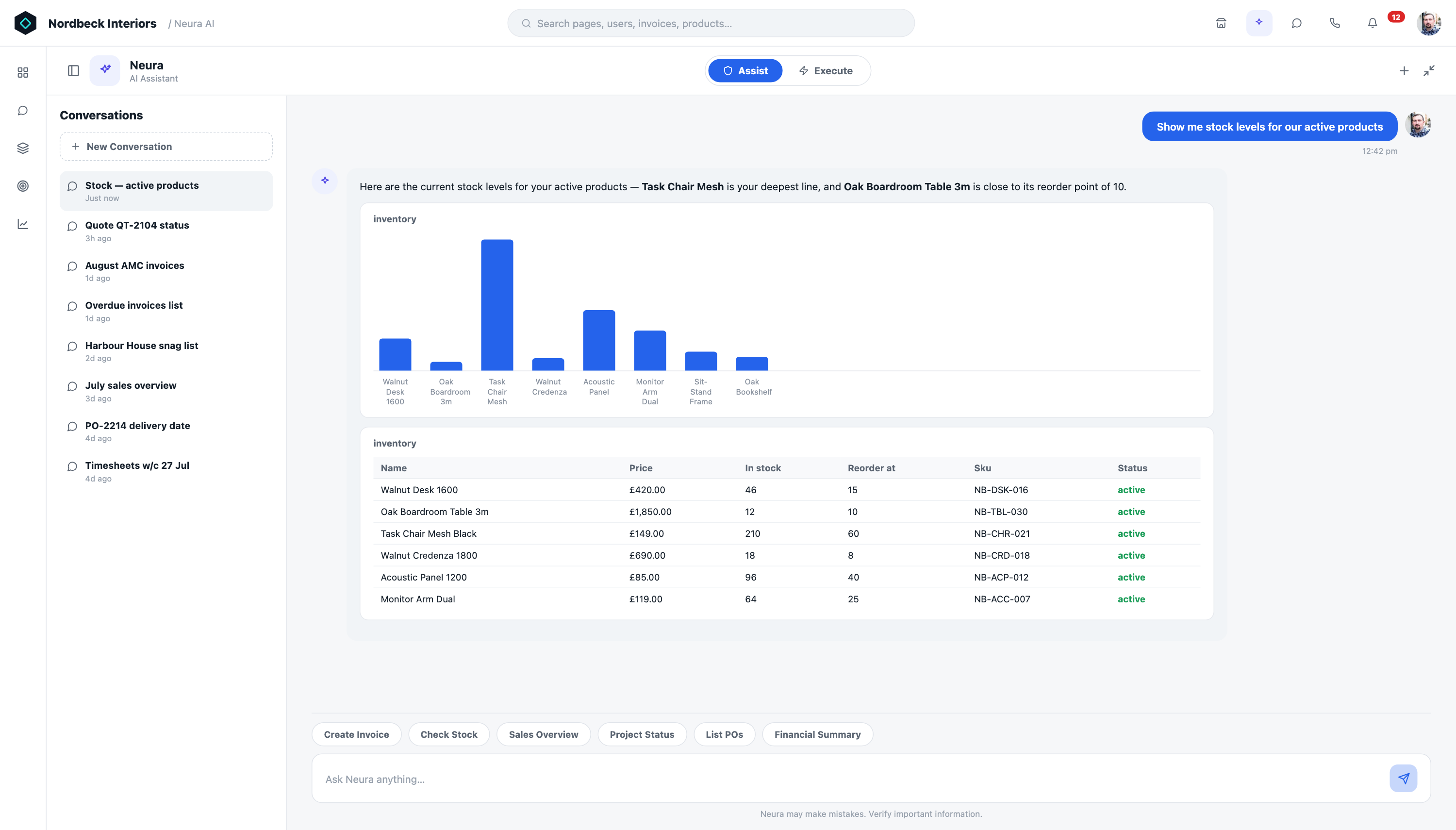
The reason this has been hard for small firms is admin: scheduling visits, chasing renewals, producing compliance certificates. That's exactly the work an AI layer does well — generating the schedule, flagging the visit that's about to be missed, drafting the renewal, and asking a human to approve before anything goes out.
The annuity stops depending on someone remembering, and starts depending on a system that doesn't forget.
The takeaway
If you run installs without a maintenance tail, you're leaving the second sale — the longer, better one — uncollected. Map your handover step. If nothing in it creates the service contract automatically, that's the first thing to fix.
The AMC & Renewal Leak Checklist
The handover-to-renewal checklist service trades use to stop AMCs lapsing — PPM triggers, renewal owners and compliance certificates, step by step.